
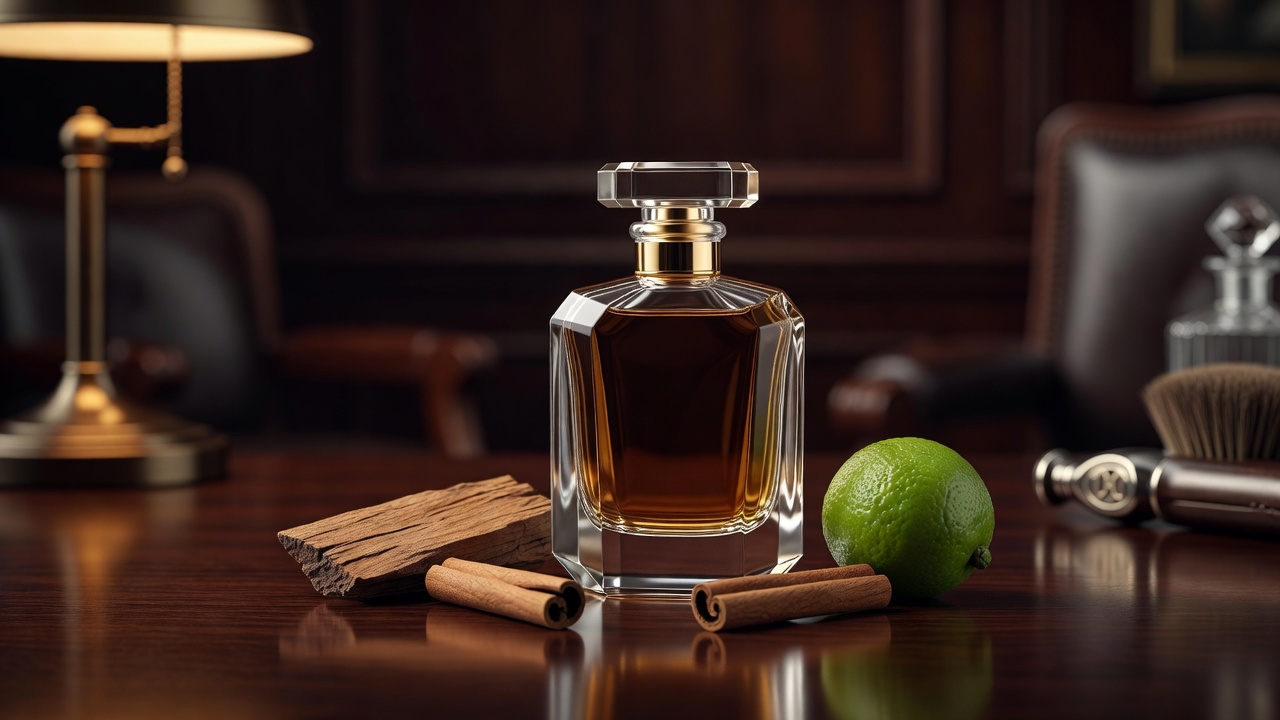
Choosing the right men perfume is one of the most powerful style decisions a man can make. Scent is closely linked to memory and emotion. The right fragrance leaves a lasting impression long after you leave the room. However, navigating the world of men’s fragrances can be confusing. With terms like eau de toilette, eau de parfum, and cologne often used interchangeably, it is easy to buy the wrong product. Understanding how men perfume works empowers you to select a scent that matches your lifestyle, skin chemistry, and personal aesthetic. This comprehensive guide breaks down fragrance notes, concentration levels, scent longevity, and the best application practices to help you find your signature scent.
What is Men Perfume and How Does it Work?
At its core, perfume is a mixture of aromatic oils, alcohol, and water. The oils are extracted from natural sources—like flowers, woods, and spices—or created synthetically in a lab. When sprayed onto the skin, the alcohol evaporates, leaving the fragrant oils behind to interact with your body’s natural chemistry.
The Anatomy of a Fragrance: Top, Heart, and Base Notes
A well-constructed fragrance is not a single, flat smell. It is a symphony that unfolds over time. This progression is called the olfactory pyramid, and it is divided into three layers of scent notes:
- Top Notes (The Opening): These are the first scents you smell when you spray a fragrance. They are usually light, fresh, and highly volatile, meaning they evaporate quickly. Common top notes include citrus, bergamot, and lavender. They last for roughly 15 to 30 minutes.
- Heart Notes (The Middle): As the top notes fade, the heart notes emerge. These form the core character of the men perfume. They are warmer and more well-rounded. Common heart notes include jasmine, rose, cinnamon, and pepper. They last for two to four hours.
- Base Notes (The Dry Down): These are the heavy, rich scents that linger on your skin long after the top notes are gone. Base notes provide depth and fixation, anchoring the entire fragrance. Common base notes include sandalwood, vetiver, vanilla, amber, and musk. They can last for six hours or more.
Understanding Concentrations: Eau de Toilette vs. Eau de Parfum vs. Cologne
One of the biggest sources of confusion in men’s grooming is the labeling of fragrance concentrations. The concentration refers to the percentage of aromatic oils dissolved in the alcohol base. This percentage directly dictates the strength and price of the men perfume.
Scent Longevity and Projection
- Eau de Cologne (EdC): This is the lightest concentration, typically containing 2% to 4% aromatic oils. It provides a refreshing burst of scent that fades quickly. It is best for a quick splash after a shower and rarely lasts more than two hours.
- Eau de Toilette (EdT): This is the most popular concentration for men’s fragrances. It contains roughly 5% to 15% aromatic oils. It offers a balanced projection that is appropriate for daily wear, office environments, and warm weather. It typically lasts three to six hours.
- Eau de Parfum (EdP): Often marketed toward women but increasingly popular in men perfume, EdP contains 15% to 20% aromatic oils. It is richer, projects further, and lasts significantly longer—often six to eight hours. It is ideal for evening wear or colder months.
- Parfum (Extrait): The highest concentration, featuring 20% to 30% aromatic oils. It is the most expensive and offers the longest scent longevity, often lasting over eight hours. A tiny dab is all you need.
When shopping, always check the box to see if you are buying an EdT or an EdP. The same fragrance will smell entirely different in varying concentrations.
Popular Fragrance Families for Men Perfume
Fragrances are categorized into families, or olfactory groups, based on their dominant notes. Knowing these families helps you quickly identify the types of men perfume you naturally prefer.
Woody and Earthy Scents
This is the most popular family for men perfume. It evokes the outdoors, warmth, and rugged masculinity. These scents rely heavily on sandalwood, cedarwood, vetiver, and patchouli. They are incredibly versatile and perfect for fall and winter.
Fresh and Aquatic Scents
Inspired by the ocean and fresh air, aquatic fragrances exploded in popularity in the 1990s. They feature notes like sea salt, marine algae, grapefruit, and green tea. These are light, energetic, and highly office-friendly. They perform best in the heat of spring and summer, making them a staple daytime choice.
Oriental and Spicy Scents
Also known as amber fragrances, these are warm, exotic, and sensual. They blend sweet notes like vanilla and tonka bean with spices like cardamom, clove, and cinnamon. Oriental men perfumes are bold and commanding. They are best reserved for evening events, date nights, or formal occasions.
Aromatic and Fougère Scents
Fougère (meaning “fern” in French) is a massive family in men’s grooming. It is characterized by a blend of lavender, oakmoss, and coumarin. These fragrances often have a barbershop-like cleanliness. They are sharp, herbaceous, and distinctly classic, forming the backbone of many traditional men’s colognes.
How to Choose the Right Men Perfume for Your Skin
A fragrance will smell differently on your skin than it does on a test strip or on someone else. This is due to skin chemistry, which is affected by diet, hormones, and the natural moisture levels of your skin.
Skin Chemistry and Testing
Oily skin retains fragrance longer and amplifies the scent. If you have dry skin, fragrances will evaporate much faster. You may need to opt for an Eau de Parfum or use an unscented moisturizer before spraying to give the oils something to bond to.
Never buy a men perfume based solely on how it smells on the paper tester strip. The strip does not have body heat or natural oils. Always spray the fragrance on your inner wrist and wear it for a full day. See how the heart and base notes develop before making a purchase.
Seasonal Rotation
Scent behaves differently in various temperatures. Heat amplifies projection, making heavy winter scents overwhelming in the summer. Conversely, cold air suppresses scent, requiring a stronger concentration in winter. Build a small wardrobe of men perfumes: a fresh aquatic for summer days, a versatile woody scent for year-round wear, and a rich oriental for cold evenings.
Best Practices for Applying Cologne and Fragrance
Even the finest men perfume can be ruined by poor application. The goal is to create a subtle aura—a “sillage”—that invites people closer, not a cloud that clears a room.
Targeting Pulse Points
Pulse points are areas where your blood vessels are closest to the skin. These areas emit heat, which naturally projects the fragrance throughout the day. The best pulse points for men include:
- The inner wrists
- The base of the throat
- Behind the ears
- The inner elbows
Spray the fragrance from about three to six inches away. Allow it to dry naturally on the skin.
The Golden Rule: Do Not Rub
A very common mistake is spraying the wrists and then rubbing them together. This friction crushes the top notes and breaks down the molecular structure of the fragrance. It forces the men perfume to evaporate faster and alters the intended scent profile. Always spray and let it air dry.
Proper Storage for Fragrance Preservation
Heat, light, and humidity are the enemies of men perfume. They break down the chemical bonds and cause the fragrance to spoil. The bathroom is actually the worst place to store your cologne due to the constant temperature and humidity changes from the shower. Store your fragrances in a cool, dark place, like a bedroom drawer or a closet. Keep the cap tightly sealed to prevent oxygen from getting in.
Conclusion: Elevate Your Signature Scent with Men Perfume
A great fragrance is an invisible accessory. It communicates your personality and style before you even speak. By understanding the anatomy of men perfume, from the pyramid of fragrance notes to the differences between eau de toilette and eau de parfum, you gain the knowledge to shop confidently. Remember to test fragrances on your skin, apply them to your pulse points without rubbing, and store them properly to preserve their integrity. Whether you prefer a fresh aquatic splash for the summer or a deep woody scent for the winter, investing in a high-quality men perfume ensures you leave a memorable, positive impression wherever you go.
Frequently Asked Questions (FAQs)
1. What is the difference between cologne and perfume?
Cologne (Eau de Cologne) has a lower concentration of aromatic oils (2-4%) and lasts a few hours, while perfume (Parfum or Eau de Parfum) has a higher concentration (15-20%+) and lasts much longer.
2. Where is the best place to spray men perfume?
The best places to spray are your pulse points—inner wrists, base of the throat, and behind the ears—because the heat from your blood naturally projects the scent.
3. Why should you not rub your wrists after applying fragrance?
Rubbing your wrists together creates friction that crushes the delicate top notes and breaks down the fragrance molecules, causing the scent to fade faster.
4. How long does an Eau de Toilette last on the skin?
An average Eau de Toilette lasts between three to six hours on the skin, depending on your skin type, the climate, and the specific fragrance composition.
5. Does men perfume expire?
Yes, most fragrances have a shelf life of three to five years; signs of expiration include a change in color (often turning darker) or a sour, metallic smell.
6. How many sprays of cologne should I apply?
The general rule is three to five sprays for an Eau de Toilette; apply fewer sprays (one to two) for a highly concentrated Eau de Parfum or Parfum to avoid overwhelming the room.