
Liposuction is one of the most popular cosmetic surgery procedures worldwide, offering effective body contouring and surgical fat reduction for stubborn fat deposits. Despite rigorous diet and exercise, many people struggle with localized pockets of fat that simply will not respond to lifestyle changes. Liposuction provides a powerful solution by directly removing these fat cells to sculpt and refine the body’s natural proportions. However, it is essential to understand that this is a surgical procedure requiring careful preparation, realistic expectations, and thorough aftercare. This comprehensive guide explores the mechanics of lipoplasty, the various techniques available, the recovery process, and how to determine if you are an ideal candidate.
What is Liposuction and How Does it Work?
Liposuction, clinically known as lipoplasty or suction-assisted lipectomy, is a plastic surgery technique that removes subcutaneous fat from specific areas of the body.
During the procedure, a board-certified plastic surgeon makes small, inconspicuous incisions in the targeted area. A thin, hollow tube called a cannula is inserted through these incisions. The cannula is connected to a surgical vacuum. By manipulating the cannula back and forth, the surgeon dislodges and suctions out excess fat cells, permanently reducing the volume of the treated area.
The Science Behind Surgical Fat Reduction
The fundamental principle of surgical fat reduction is that the human body has a fixed number of fat cells by adulthood. When you gain weight, these existing cells expand; they do not multiply. Liposuction physically extracts these cells from the body. Because the removed cells cannot grow back, the treated area will remain proportionally slimmer, provided the patient maintains a stable, healthy weight post-surgery.
Ideal Candidates for Liposuction Cosmetic Surgery
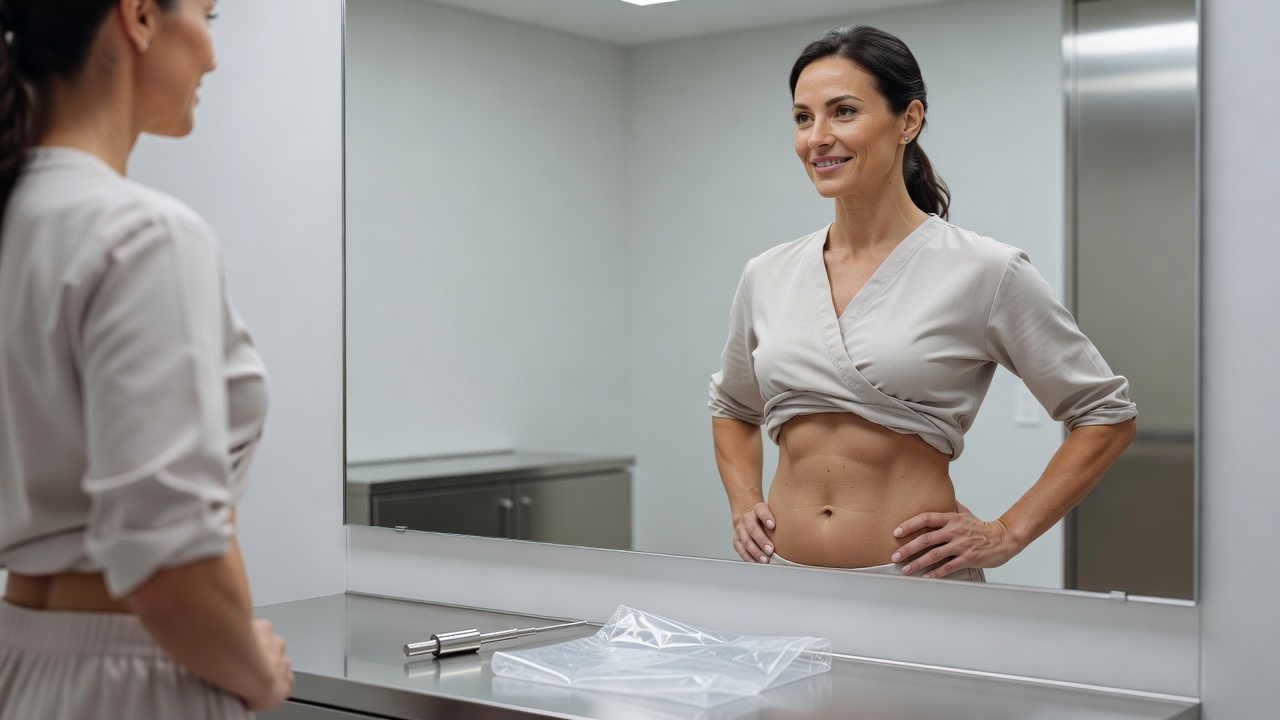
A common misconception is that liposuction is a weight-loss tool or a treatment for obesity. It is not. It is designed for body contouring—refining shapes that are already close to ideal but hindered by stubborn fat.
You may be an excellent candidate for this cosmetic surgery if you meet the following criteria:
- You are within 30% of your ideal body weight: The best results occur in patients who are relatively fit but have localized fat deposits.
- You have good skin elasticity: Because liposuction removes fat beneath the skin, the skin must contract smoothly over the new contour. Patients with firm, elastic skin achieve the best aesthetic outcomes.
- You have stubborn fat pockets: You must have specific, disproportionate areas of fat that do not respond to diet or exercise, such as a “spare tire” or a double chin.
- You are in good overall health: You should not have life-threatening illnesses or chronic conditions that impair healing, such as uncontrolled diabetes.
- You are a non-smoker: Smoking severely restricts blood flow and drastically increases the risk of poor healing and complications.
Common Target Areas for Body Contouring
One of the greatest advantages of liposuction is its versatility. It can be performed on almost any area of the body where subcutaneous fat exists.
The most frequently treated areas include:
- Abdomen and Flanks: Often referred to as “love handles” or a “muffin top,” this is the most common target for both men and women.
- Thighs: Targeting the outer thighs (“saddlebags”) or the inner thighs to prevent chafing and create a smoother contour.
- Hips and Buttocks: Refining the lower body silhouette and improving clothing fit.
- Arms: Removing hanging fat from the upper arms, often combined with a brachioplasty (arm lift) if excess skin is present.
- Neck and Chin: Eliminating a double chin or jowls to define the jawline and create a more youthful facial profile.
- Chest (Gynecomastia): Used in male breast reduction to remove excess fatty tissue and create a flatter, more masculine chest.
Different Liposuction Techniques
The field of plastic surgery has evolved significantly. Today, surgeons use various liposuction techniques to enhance precision, minimize trauma, and accelerate the recovery process.
Tumescent Liposuction
Tumescent liposuction is the gold standard and the most widely used technique. Before fat removal begins, the surgeon injects a large volume of a specialized solution (the tumescent fluid) into the fatty tissue. This fluid contains a local anesthetic (lidocaine) to numb the area and a vasoconstrictor (epinephrine) to shrink blood vessels.
By expanding the fat layer with fluid, the cannula moves more smoothly, and blood loss is drastically minimized. The local anesthesia also allows the procedure to be performed without general anesthesia in many cases, improving patient safety.
Ultrasound-Assisted Liposuction (UAL)
Ultrasound-assisted liposuction uses a specialized cannula that emits ultrasonic sound waves. These waves vibrate at a high frequency, effectively liquefying dense, fibrous fat cells before they are suctioned out.
UAL is particularly effective for treating areas with tougher fat, such as the male breast (gynecomastia), the back, or the flanks. It allows the surgeon to remove fat more smoothly in areas where traditional tumescent liposuction might be difficult.
Laser-Assisted Liposuction (SmartLipo)
Laser-assisted liposuction utilizes a tiny laser fiber inserted through the cannula to melt the fat cells before removal. The heat from the laser also stimulates collagen production in the surrounding skin.
This technique is often recommended for smaller areas of fat where skin tightening is a priority, such as the neck or the arms. Because the fat is liquefied, the actual suction process is very gentle, resulting in less bruising and a faster recovery.
The Liposuction Procedure: What to Expect
Knowing what happens on the day of surgery helps alleviate anxiety and prepares you for a smooth experience.
- Anesthesia: Depending on the extent of the surgery, you will receive either local anesthesia with sedation or general anesthesia.
- Marking: While you are standing, the surgeon will mark the targeted areas on your skin to guide the fat removal process.
- Preparation: Once in the operating room, the surgical team will sterilize the area and inject the tumescent fluid (if using the tumescent technique).
- Fat Removal: The surgeon makes tiny incisions, often less than a quarter-inch long, strategically placed in natural skin folds to hide scars. The cannula is inserted, and the fat is meticulously suctioned out. The surgeon constantly sculpts the area, ensuring smooth, symmetrical contours.
- Closing: Because the incisions are so small, they are often left open to drain excess fluid, or closed with a single dissolvable stitch.
The entire procedure usually takes between one to three hours, depending on the number of areas being treated.
Recovery Process and Aftercare
The recovery process is a vital phase of your liposuction journey. Proper aftercare directly influences the final aesthetic result.
Managing Swelling and Wearing Compression Garments
Swelling and bruising are entirely normal after surgery. To manage this, you will be required to wear a compression garment continuously for the first few weeks. This garment applies even pressure to the treated areas. It reduces swelling, prevents fluid buildup (seromas), and helps the skin contract to your new body shape.
Most patients can return to light, non-strenuous work within three to five days. However, vigorous exercise and heavy lifting must be avoided for at least three to four weeks to prevent complications.
Long-Term Results Timeline
It takes time for the swelling to fully subside and the skin to tighten. You will likely notice an immediate improvement, but the final results of your body contouring will not be fully apparent for several months.
- 1 to 4 Weeks: Most of the noticeable swelling and bruising resolves. You will transition to wearing the compression garment only at night.
- 1 to 3 Months: Deeper swelling continues to dissipate. The treated areas will look noticeably slimmer and more contoured.
- 6 Months: The skin has fully contracted, and the final, permanent results of the surgical fat reduction are visible.
Risks and Safety Considerations in Plastic Surgery
While liposuction is considered highly safe when performed by a qualified professional, it is still a major surgical procedure. Understanding the risks is a crucial part of informed consent.
Potential complications, though rare, can include:
- Contour Irregularities: Uneven fat removal can cause lumps, bumps, or wavy skin. This is the most common aesthetic complication and underscores the need for an experienced surgeon.
- Fluid Imbalance: Because tumescent fluid is injected and fat fluid is removed, careful monitoring is required to prevent fluid overload.
- Infection: Strict sterile techniques in the operating room minimize this risk.
- Seromas: Pockets of fluid can accumulate under the skin, sometimes requiring drainage.
- Blood Clots: Like any surgery, deep vein thrombosis (DVT) is a risk, necessitating early ambulation post-surgery.
To maximize safety, always choose a board-certified plastic surgeon operating in an accredited surgical facility.
Conclusion: Achieving Your Aesthetic Goals with Liposuction
Stubborn fat can be a source of immense frustration, masking the hard work you put into your health and fitness. Liposuction offers a scientifically proven, highly effective method for surgical fat reduction and body contouring. By permanently removing targeted fat cells, the procedure refines your silhouette and enhances your natural proportions. However, it is a tool for sculpting, not a substitute for a healthy lifestyle. The most beautiful, enduring results occur when patients are close to their ideal weight, possess good skin elasticity, and are committed to maintaining their results through diet and exercise. By choosing a skilled, board-certified plastic surgeon and following all recovery protocols, you can safely achieve the contoured, confident body you desire with liposuction.
Frequently Asked Questions (FAQs)
1. Is liposuction a weight loss procedure?
No, liposuction is a body contouring procedure designed to remove localized pockets of stubborn fat; it is not intended for significant weight loss or treating obesity.
2. Will the fat grow back after liposuction?
The removed fat cells cannot grow back; however, if you gain a significant amount of weight, the remaining fat cells in both treated and untreated areas will expand.
3. How long do I need to wear a compression garment?
Most surgeons require patients to wear a compression garment 24/7 for the first two to three weeks, and then only at night for an additional few weeks to manage swelling.
4. Does liposuction leave visible scars?
The incisions used for the cannula are very small (less than a quarter-inch); while you will have tiny scars, they are strategically placed in natural creases and usually fade to become nearly invisible.
5. Can liposuction remove cellulite or loose skin?
No, liposuction only removes fat beneath the skin; it cannot improve skin laxity or cellulite, and in fact, removing fat without good skin elasticity can make loose skin appear worse.
6. How much does liposuction typically cost?
The cost varies widely based on the surgeon’s expertise, geographic location, and the number of areas treated, but typically ranges from $3,000 to $10,000 or more for multiple areas.