
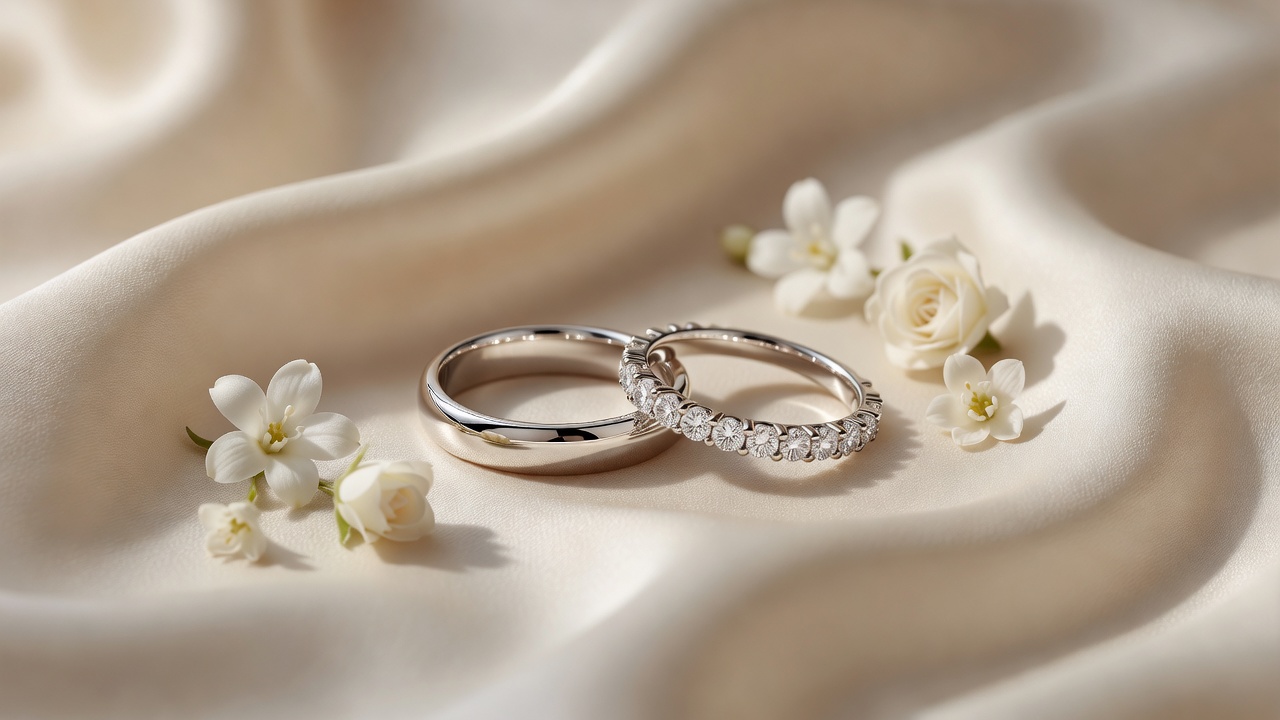
A wedding ring may be small, but it carries considerable meaning. Unlike many accessories reserved for special occasions, wedding bands are often worn every day for decades, making comfort, durability, personal style, and craftsmanship just as important as appearance. From traditional gold rings and diamond-set designs to platinum, mixed-metal, textured, and minimalist bands, today’s couples have more choices than ever.
The sheer number of options can also make shopping surprisingly complicated. A wider band may look impressive but feel very different during daily wear. Certain metals are easier to resize than others, while some finishes show scratches more visibly. If a wedding band will sit next to an engagement ring, differences in profile, metal, gemstone placement, and width can influence both comfort and long-term wear.
The best ring is therefore not necessarily the most expensive or elaborate one. It is a piece that suits the wearer’s lifestyle, feels comfortable, fits the intended budget, and reflects personal taste without requiring unreasonable maintenance. This guide covers seven essential considerations for choosing a wedding band, along with metals, gemstones, sizing, care, customization, and buying tips.
What Are Wedding Bands?
Wedding bands are rings exchanged or worn as symbols of marriage.
Their designs range from simple, uninterrupted metal circles to elaborate rings featuring gemstones, engraving, textures, or detailed craftsmanship.
Common styles include:
- Plain bands.
- Diamond bands.
- Eternity rings.
- Contoured bands.
- Textured rings.
- Mixed-metal designs.
- Custom wedding rings.
There is no requirement for both partners to select matching rings. Many couples choose different styles that reflect their individual preferences.
Wedding Band vs. Wedding Ring
The terms “wedding band” and “wedding ring” are often used interchangeably.
Historically, “band” sometimes referred more specifically to simpler ring designs, but modern jewelry retailers use both terms across a broad range of styles.
The more meaningful distinction is usually between the wedding band and engagement ring.
An engagement ring frequently features a prominent center gemstone, while the wedding band is typically exchanged during the wedding ceremony.
1. Choose the Right Metal
Metal selection affects appearance, weight, maintenance, durability, price, and potential resizing.
Yellow Gold
Yellow gold provides a traditional warm appearance and remains one of the most recognizable choices for wedding bands.
Gold jewelry is commonly alloyed with other metals to improve durability.
White Gold
White gold offers a bright, contemporary appearance. Some white-gold jewelry uses rhodium plating that may require periodic replating as the finish wears.
Rose Gold
Rose gold obtains its warm pink tone from its alloy composition, commonly involving copper.
Platinum
Platinum has a naturally white appearance and is valued for its density and durability.
It generally carries a higher price than many gold alternatives.
Alternative Metals
Depending on the jeweler, options can include titanium, tungsten carbide, tantalum, or other materials.
These metals can provide distinctive properties but may have different resizing and repair limitations.
2. Prioritize Everyday Comfort
A wedding band can spend far more time on your hand than almost any other piece of jewelry.
Comfort matters.
Consider:
- Ring width.
- Thickness.
- Interior profile.
- Finger shape.
- Adjacent rings.
Comfort-fit wedding bands typically have a more rounded interior profile, reducing the amount of metal contacting the finger.
Some wearers find this particularly comfortable in wider designs.
Try several widths before purchasing because a difference of only a few millimeters can significantly change how the ring feels.
3. Decide Whether to Match the Engagement Ring
If the wearer has an engagement ring, consider how both pieces will sit together.
Straight Wedding Bands
A traditional straight band works well when the engagement ring provides enough clearance beneath its setting.
Curved or Contoured Bands
A contoured ring follows the shape of an engagement ring that does not allow a straight band to sit flush.
Open Bands
Certain contemporary designs leave space around a prominent center setting.
Bridal Sets
Some engagement rings are specifically designed with matching wedding bands.
Matching does not necessarily require identical metal, gemstones, or design. Mixed styles can create an intentional layered appearance.
4. Select a Width That Fits Your Style
Band width is one of the most noticeable design decisions.
Narrow wedding bands typically create a delicate or understated appearance.
Medium widths can provide a balance between subtlety and presence.
Wide bands create stronger visual impact but can feel significantly different on the finger.
Finger length and hand proportions may influence aesthetic preference, but there are no rules requiring a particular width.
Personal comfort should carry more weight than generalized style advice.
5. Consider Diamonds and Other Gemstones Carefully
Gemstones can add sparkle and individuality.
Popular styles include:
Half-Eternity Bands
Stones cover a portion of the ring.
Potential advantages include easier resizing compared with some full-eternity designs.
Full-Eternity Bands
Gemstones continue around the complete circumference.
This creates continuous sparkle but may make resizing substantially more difficult.
Channel-Set Bands
Stones sit between metal walls, creating a streamlined appearance.
Pavé Bands
Small gemstones are set closely together to create a continuous sparkling surface.
Gemstone security and maintenance should be considered alongside appearance.
6. Get Professional Sizing
Correct sizing is essential for wedding bands intended for long-term wear.
Finger size can fluctuate because of:
- Temperature.
- Activity.
- Time of day.
- Temporary swelling.
Avoid measuring only once under unusual conditions.
A professional jeweler can use physical sizing tools and help account for differences between narrow and wide bands.
Very wide rings may fit differently from narrow styles even when labeled with the same numerical size.
7. Set a Realistic Budget
There is no correct amount to spend on wedding bands.
Prices vary according to:
- Metal.
- Weight.
- Gemstones.
- Craftsmanship.
- Brand.
- Customization.
Set a budget based on your broader wedding finances and long-term priorities rather than arbitrary spending rules.
A simple, well-made ring can remain meaningful and attractive for decades.
Should Wedding Bands Match?
Matching wedding bands can symbolize visual unity, but they are entirely optional.
Couples can coordinate through:
- Matching metals.
- Similar finishes.
- Shared engraving.
- Related design elements.
Alternatively, each person can choose a completely different ring.
One partner may prefer polished yellow gold while the other chooses a wider brushed platinum or titanium design.
Popular Wedding Band Finishes
Finish affects how light interacts with the ring.
High Polish
Creates a bright, reflective surface.
Brushed Finish
Produces a softer appearance with visible linear texture.
Matte Finish
Reduces reflectivity for a more understated look.
Hammered Finish
Creates deliberate surface variation and handcrafted character.
Finishes can evolve with wear and may sometimes be professionally refinished depending on the metal and design.
Understanding Gold Karat
Gold purity is described using karats.
Pure gold is 24 karat, but jewelry commonly uses alloyed gold to improve practical characteristics.
Typical wedding jewelry may be available in several karat levels depending on the market.
Higher gold content affects color, composition, price, and material characteristics.
Ask the jeweler about the exact alloy rather than assuming all rings of the same karat behave identically.
Choosing Wedding Bands for Active Lifestyles
People who work with machinery, tools, heavy equipment, electricity, or in certain healthcare and athletic environments may need to consider when wearing a metal ring is appropriate.
Removing jewelry can be important for specific occupational or safety situations.
Some people use temporary silicone rings during exercise or particular work activities, reserving their wedding jewelry for safer settings.
Follow workplace safety policies and professional guidance relevant to your occupation.
Wedding Bands for Sensitive Skin
Jewelry sensitivity can depend on the specific alloy rather than the broad marketing name of the metal.
People with known metal allergies should ask about:
- Alloy composition.
- Nickel content.
- Plating.
- Alternative materials.
A dermatologist can provide guidance for persistent or significant skin reactions.
Custom Wedding Bands
Custom design allows couples to create rings tailored to their preferences.
Customization may involve:
- Unique proportions.
- Engraving.
- Gemstone layouts.
- Mixed metals.
- Custom textures.
- Symbolic design elements.
Custom work can take longer than purchasing an in-stock ring, so begin the process well before the wedding date.
Engraving Ideas
Engraving adds a private element to a wedding band.
Popular choices include:
- Wedding date.
- Initials.
- Short phrase.
- Coordinates.
- Symbol.
- Private message.
Available space depends on ring width, size, material, and engraving method.
Confirm spelling and dates carefully before approving permanent engraving.
When Should You Buy Wedding Bands?
Avoid waiting until the final week before the ceremony.
In-stock rings may still need sizing, while custom pieces can require considerably longer.
Ordering early provides time for:
- Sizing.
- Custom manufacturing.
- Engraving.
- Adjustments.
- Unexpected delays.
Ask the jeweler for a realistic delivery schedule based on your chosen design.
How to Assess Quality
Quality should be evaluated through craftsmanship and materials rather than appearance alone.
Look for:
- Smooth finishing.
- Secure gemstone setting.
- Comfortable interior edges.
- Even surface work.
- Appropriate hallmarking where applicable.
For gemstone rings, ask about replacement and maintenance policies.
Ethical and Responsible Sourcing
Some buyers prioritize information about where metals and gemstones originate.
If responsible sourcing matters to you, ask jewelers about:
- Recycled precious metals.
- Supplier policies.
- Diamond sourcing.
- Laboratory-grown diamonds.
- Available certifications.
No vague sustainability claim should replace specific information about sourcing and standards.
Natural vs. Laboratory-Grown Diamonds
Both natural and laboratory-grown diamonds are diamonds, but they have different origins and market characteristics.
Natural diamonds form through geological processes.
Laboratory-grown diamonds are created using controlled technological processes designed to reproduce diamond crystal formation.
Prices, sourcing considerations, resale markets, and personal preferences can differ.
Buyers should compare options based on their priorities rather than assuming one choice is automatically correct for everyone.
Caring for Wedding Bands
Even durable jewelry needs maintenance.
General care may include:
- Removing rings during activities that could damage them.
- Cleaning with methods appropriate for the metal and gemstones.
- Having gemstone settings inspected periodically.
- Storing rings separately when not worn.
Avoid exposing jewelry to chemicals unless compatibility is known.
Manufacturer or jeweler care guidance should take priority.
Can Wedding Bands Be Resized?
Resizing depends on design and material.
Many traditional gold and platinum bands can often be resized within practical limits.
Challenges can arise with:
- Full-eternity designs.
- Intricate patterns.
- Certain alternative metals.
- Continuous engraving.
Ask about future resizing before buying, especially if the ring has an elaborate design.
Insurance for Valuable Rings
High-value wedding jewelry may warrant insurance consideration.
Depending on location and coverage, options can include:
- Homeowners or renters insurance endorsements.
- Dedicated jewelry policies.
Review coverage for theft, accidental loss, damage, and replacement conditions.
An appraisal may be required for certain policies.
Current Wedding Band Trends
Current designs increasingly emphasize individuality.
Popular directions include:
- Mixed metals.
- Wider bands.
- Textured finishes.
- Vintage-inspired details.
- Minimalist profiles.
- Stacked rings.
- Laboratory-grown diamond options.
Trends can provide inspiration, but wedding bands are unusually long-lived jewelry.
Selecting something you genuinely enjoy is more important than following a temporary style.
AI and Online Ring Shopping
Digital tools are making jewelry shopping more interactive.
Some retailers use augmented reality or AI-enabled visualization to simulate how a ring might look on a hand.
These tools can help narrow options, but they cannot accurately replicate:
- Physical weight.
- Comfort.
- Exact color.
- Texture.
- Fit.
For a ring intended for daily wear, an in-person fitting remains valuable whenever possible.
Conclusion
Wedding bands represent both a symbolic commitment and an everyday piece of jewelry, making thoughtful selection especially important. The ideal band should balance personal style with comfort, durability, maintenance, and budget while fitting naturally into the wearer’s lifestyle. Metal choice, width, interior profile, gemstone setting, engagement-ring compatibility, and resizing possibilities can all affect long-term satisfaction. Couples do not need matching rings, expensive gemstones, or a particular metal to make their wedding bands meaningful. By trying different styles, confirming accurate sizing, understanding material characteristics, and allowing enough time for customization or engraving, couples can choose rings designed to remain comfortable and personally significant for years to come.
FAQs
What are wedding bands?
Wedding bands are rings traditionally exchanged or worn as symbols of marriage. They range from plain metal designs to gemstone-set, engraved, textured, and custom rings.
Which metal is best for wedding bands?
There is no universal best metal. Gold, platinum, titanium, tungsten, and other materials have different characteristics involving appearance, weight, maintenance, price, and resizing.
Should wedding bands match engagement rings?
They can, but they do not have to. Some people prefer perfectly coordinated bridal sets, while others intentionally combine different metals, textures, or designs.
How should wedding bands fit?
A wedding band should generally feel secure without causing uncomfortable pressure. Professional sizing is recommended, particularly for unusually wide rings.
Can wedding bands be resized?
Many traditional precious-metal bands can be resized, but certain materials and designs—especially full-eternity rings—can make resizing difficult or impossible.
How early should couples buy wedding bands?
Allow enough time for sizing, ordering, engraving, customization, and possible adjustments. Custom rings generally require more lead time than in-stock designs.